How to Tell If Pest Control Worked in North York
If you just booked pest control North York and are checking whether the application actually worked, the best answer is to look for changes in pest activity over time. A good outcome usually shows up as fewer sightings, less evidence of pests, and no new damage or signs of nesting. That said, different pests behave in different ways, and North York homes and buildings can create conditions that make results more straightforward or harder to confirm.
For homeowners, tenants, and condo residents near Yonge and Sheppard, Finch, or in older neighbourhoods with detached homes and basement suites, the goal is not to guess. It is to use visible signs, a simple inspection routine, and the details in your inspection report to judge treatment effectiveness. The right control measures should minimize the ongoing infestation and help prevent future infestations, especially when the target pest is a recurring problem in dense urban areas.
What should happen right after pest control treatment?
Immediately after the service, you may still observe some early pest activity. That can be normal, especially if the professional exterminator used a long-lasting insecticide or placed bait setups and glue traps. These tools do not always work instantly. In some cases, pests must contact the treatment, feed on the bait, or pass through treated areas before the numbers start dropping.
The technician should describe the expected time needed for the spray to dry and provide clear post-treatment instructions. These instructions may include avoiding washed surfaces for a period, not moving traps, keeping food sealed, or leaving bait undisturbed. Adhering to them matters because even a strong product can underperform if the household interrupts the process.
In North York, where condo corridors, shared walls, and utility chases can affect movement between units, the first day or two after service are not the best time to judge results. You may continue to spot a few pests as they move out of harborage areas. The key question is whether the level of activity starts to decline after that initial period.
What are the obvious indications pest control worked?
The clearest sign is reduced sightings. If you were seeing pests daily and now only notice an occasional one, that is a good sign. You should also check for fallen insects, especially in places where the pest is active. A declining number of live pests and a gradual increase in dead ones can indicate the treatment is affecting the colony or population.
Another encouraging sign is less droppings. For rodents or cockroaches, fewer droppings suggest less traffic in kitchens, cupboards, behind appliances, or along walls. You should also notice no fresh damage. That means no new gnawing, no fresh food contamination, and no fresh nesting debris.
For example, if you were seeing gnaw marks on pantry items or cardboard in a basement apartment, and those marks stop appearing after treatment, that is a clear indicator that control measures are working. In the same way, a drop in ant trails around windows or counters can show that the treatment and cleanup are reducing access to food sources.
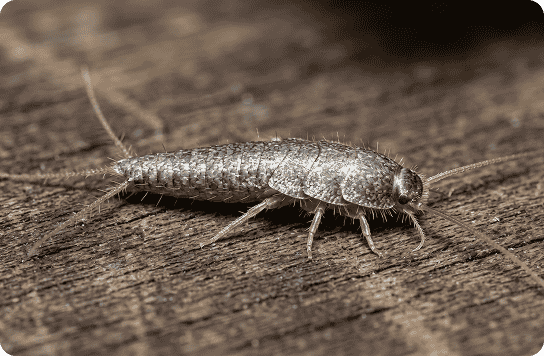
It helps to think in terms of clear signs and evidence of pests. If the signs are fading and the environment is staying quiet, that is usually better proof than a one-time glance.
How long does it take to see changes in North York homes?
The service timeline varies with the type of pest, the level of infestation, and the site circumstances. Some pests decline quickly, while others need a lengthier approach with a follow-up visit. A small ant problem in a townhouse may get better within days, while bed bugs or a serious cockroach issue may take several visits to fully resolve.
In North York, different housing types affect what you should be prepared for. A detached home near quieter residential streets may be more straightforward to contain, while a basement unit or multi-unit condo near transit corridors can be more challenging because pests can move through neighbouring units, shared mechanical spaces, or garbage rooms. That means the timeline is not just about the product applied; it is also about the environment.
If your technician gave an inspection report, use it as a starting point. It may describe the amount of activity, likely entry routes, and where the pest pressure is greatest. That helps you judge whether improvements are taking place on schedule. If the infestation was severe, some slow progress is quite common. What matters is that the trend moves in the correct direction over the next several days or weeks.
Which pests may need more than one visits?
Some household pests almost always need several service. Bed bugs are a common example because they nest in mattress seams, bed frames, baseboards, furniture joints, and clutter. Even when the first treatment lowers activity, eggs and hidden adults can survive. A second or third visit is often part of the approach.
Cockroaches can also need repeated treatment, especially if they are nesting in wall voids, behind appliances, or around moisture-prone areas. Because they breed quickly, a single treatment may reduce visible insects without fully eliminating the source. Baits, sanitation, and moisture control usually work together for better results.
Ants can be tricky because the colony may split, relocate, or switch feeding routes. If the wrong nest is treated, you may see activity return. In North York, hotter months often bring a surge in ants around patios, kitchens, and building exteriors.
Mice are another pest that often needs more than one visit. A technician may place rodent bait, set traps, and recommend exclusion work, but if new openings remain, mice can come back. In the fall, seasonal pest pressure in North York often rises as mice look for warmth inside homes, condos, and commercial buildings.
For all of these pests, the goal is not just instant knockdown. It is to limit recurring activity long enough to confirm the treatment is holding.
What can lead to pest control look unsuccessful?
Sometimes pest control is effective, but it seems unsuccessful because the building or home still permits pests to return. Reinfestation is one of the biggest factors. If pests are entering from a neighbour, a garbage room, a cracked foundation, or a shared utility chase, you can treat one area and still see new activity.
Hidden nests can also make it seem like nothing changed. Pests may remain out of sight in wall voids, insulation, behind cabinets, or in storage areas. Until those areas are reached or disturbed, the problem may seem unchanged at home.
Moisture issues are another major factor. Leaks under sinks, damp basements, and poor ventilation create ideal conditions for cockroaches, ants, and other household pests. Without moisture control, treatment may only provide short-term relief.
Sanitation matters as well. If there is food debris, pet food left out, grease buildup, or clutter that offers hiding places, pests have what they need to survive. Good clean-up and debris removal improve the odds that the service will succeed.
In practical terms, a treatment can fail to look successful when the underlying site conditions keep supporting the infestation. That is why many professional exterminators combine products with advice on sealing gaps, correcting moisture, and improving housekeeping.
How do you inspect for pest control results at home?
Begin with a simple inspection checklist. Walk through the kitchen, pantry, bathrooms, basement, and storage areas. Watch for fresh droppings, new grease marks, damaged packaging, shed skins, and live insects. Examine baseboards, under appliances, behind furniture, and around plumbing lines. You are searching for track signs that show whether pests are still moving through the space.
Try monitoring traps if your technician recommends them. They can help you https://caledon-oneo050.urbanvellum.com/posts/top-activities-to-enjoy-in-oakville-on-for-open-air-adventure-and-highlights see whether pests are still active in a specific room or along a wall. For rodents, look for new captures or fresh activity around bait placements. For insects, glue boards can show whether movement is declining.
Examine access points such as gaps around pipes, door sweeps, window frames, vents, and utility openings. If you notice unsealed cracks, remember to seal gaps after the technician advises it is appropriate. Exclusion work is often what keeps a short-term fix from turning into a long-term solution.
Keep activity logs. Record when you saw pests, where you saw them, and whether the sightings were live or dead. This makes trends easier to spot. A few notes over one or two weeks can tell you more than memory alone. It also gives your pest control company useful information if follow-up is needed.
See this as home-based verification. You are not trying to diagnose every detail yourself. You are tracking whether the signs of infestation are fading and whether the treatment is creating a steady decline in pest pressure.
When do you need to call your pest control company back?
Call your company back if the activity fails to improve within the expected timeframe, or if it returns after a short lull. A reputable service should clarify the warranty terms and the warranty period so you know when help is included. If your treatment included a service guarantee, you should not hesitate to use it when the problem continues.
You should also request a follow-up inspection if you continue seeing live pests, fresh droppings, new gnaw marks, or repeated evidence in the same areas. Persistent activity may mean the target pest was not fully controlled, the infestation may be bigger than first believed, or there is still an access route letting pests back inside.
A subsequent service may require follow-up treatment, adjustments to bait placement, more focused applications, or revised advice for blocking access and sanitation. In some cases, the initial treatment reduces the population, and the follow-up completes the job. That is especially common with bed bugs, cockroaches, and mice.
If you are not sure whether what you are noticing is normal, use your notes from the inspection and get in touch with the company sooner rather than later. Prompt contact often prevents a little issue from escalating into a larger ongoing infestation.
North York-specific pest issues to keep in mind
North York has a combination of tall buildings, lower-level suites, and aged housing stock, and each type affects pest control results differently. In condo and apartment buildings, shared walls, trash rooms, delivery areas, and mechanical chases can move pests from one unit to another. Even if one homeowner follows every instruction, a neighbour’s issue can trigger pest return.
In detached homes and older properties, basement cracks, unsealed basements, and deteriorating seals can provide easy access. Cold-weather sealing needs are especially important in Toronto-area homes because small gaps become entry routes when the weather turns cold. If you live near active commercial strips or transit corridors, the higher density can also mean more exposure to household pests traveling between properties.
Time of year plays a role too. In North York, mice often push indoors in the fall, while ants and cockroaches tend to become more active during the summer season. That seasonal pest pressure means the same home may need different control measures at different seasons. A problem that looks resolved in summer can return in autumn if exclusion was not completed.
City of Toronto bylaws and property standards also matter because garbage handling, waste storage, and building upkeep can influence pest pressure. Poor sanitation in shared spaces may undermine treatment even when individual units are managed well. For residents, the practical takeaway is simple: success depends on the method, but they also depend on the building around you.
In North York, especially in dense neighbourhoods around Yonge and Sheppard or Finch corridors, success often means combining treatment with monitoring, sealing, moisture control, and regular clean-up. That is the best way to protect your property and reduce the chance of recurring activity.
FAQ: Pest control North York results and expectations
How soon should I see results after pest control in North York?
It depends on the specific insect or rodent, infestation severity, and site conditions. Some pests drop off within days, while others need a longer treatment timeline and a follow-up visit. If your technician used a residual insecticide or bait stations, gradual improvement is common rather than instant elimination. Keep monitoring for reduced sightings, dead insects, and fewer signs of pest activity.
Is it normal to still see a few pests after treatment?
Yes, a few pests can still appear right after service, especially if they were active before treatment or coming from harborage areas. Some immediate pest activity is expected while products dry and control measures start working. The key is whether the number of sightings keeps falling instead of rising again.
What signs show that pest control did not work?
Warning signs include persistent activity, fresh droppings, new gnaw marks, ongoing damage, and repeated sightings in the same places. If you see clear evidence of pests after the expected treatment window, there may be reinfestation, hidden nests, moisture issues, or sanitation problems affecting the result. A follow-up inspection can help determine the cause.
Will I need a follow-up visit for bed bugs or cockroaches?
In many cases, yes. Bed bugs and cockroaches frequently need more than one visit because they hide well and can withstand the first pass. A follow-up treatment is a normal part of many control plans. Your pest control company should explain the warranty, the follow-up schedule, and what signs to track between visits.
When ought I to contact my North York pest control company again?
Contact them again if you notice persistent activity, new droppings, new damage, or no real improvement within the expected result timeline. You should also call if your warranty period is still active and the infestation appears to be returning. A quick follow-up inspection is often the fastest way to confirm whether the treatment worked or whether additional control measures are needed.